
- Home
- Dental problems
- Teeth grinding
Teeth grinding (bruxism) in Sharjah
Waking with a sore jaw, headaches or worn, sensitive teeth? You may be grinding or clenching at night. A custom night guard protects your teeth while you sleep.
Grinding over years can also leave you with teeth that feel loose.
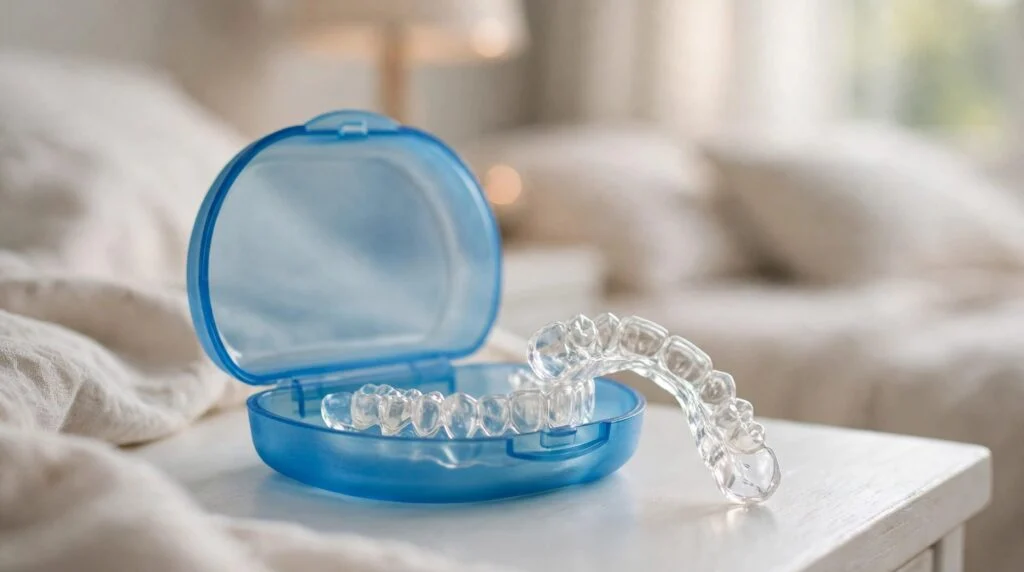
Grinding is managed with a custom night guard, part of our general dentistry care.
A habit you may not know you have
Teeth grinding, also called bruxism, is very common. Most people do it in their sleep, so they only find out when a partner hears it, when they wake with a tired jaw, or when a dentist notices worn or cracked teeth. Others clench during the day, especially when concentrating or stressed.
This guide explains the signs, the causes, the damage it can do, how we protect your teeth and simple things you can do to help, at Al Jazeera Dental Clinic in Al Majaz, Sharjah.
What is bruxism?
Bruxism is grinding the teeth together or clenching them hard, usually without realising. Sleep bruxism happens at night, often in short bursts many times a night. Awake bruxism is usually clenching rather than grinding, and tends to happen during concentration, driving, exercise or stress.
The forces involved can be many times stronger than normal chewing. Over months and years this wears teeth down, cracks fillings and enamel, overloads the jaw joints and tires the chewing muscles. Some people grind with no symptoms at all, while others have daily headaches and jaw pain.
7 signs of teeth grinding
- Waking with a sore or tired jaw
- Morning headaches, especially at the temples
- Flat, worn or chipped teeth
- Sensitive teeth
- Cracked fillings or teeth
- Clicking or aching jaw joints
- A partner hearing grinding at night
What causes teeth grinding?
Three causes account for most cases: stress, disturbed sleep and an uneven bite. Certain medicines can also trigger it. Grinding happens in short bursts during sleep, which is why most people only find out when a partner hears it or a dentist spots the wear.
Stress and anxiety
The most common trigger. Teeth grinding often increases during busy or worrying times.
Sleep problems
Snoring and sleep apnoea are linked with teeth grinding at night. Tell your doctor if you snore loudly.
Caffeine, alcohol and smoking
Stimulants in the evening make grinding more likely.
Some medicines
Certain antidepressants and other medicines can increase clenching. Don’t stop any medicine without advice.
Bite problems
Missing or uneven teeth can contribute, although they are rarely the only cause.
Concentration habits
Clenching at the computer, while driving or in the gym is very common.
What damage can grinding cause?
Enamel does not grow back, so wear from bruxism is permanent. Teeth become shorter and flatter, edges chip, and the softer inner layer may be exposed, making teeth sensitive. Fillings and crowns can crack or come loose, and teeth that have had root canal treatment are especially at risk of breaking.
The jaw muscles can become enlarged and tender, and some people develop pain in the jaw joints, clicking or difficulty opening wide. Headaches, ear ache and neck tension are also common. Protecting your teeth early prevents expensive repairs later.
How we protect your teeth
A custom night guard is the usual answer. Made from an impression of your own teeth, it stays put overnight and spreads the load across the whole arch instead of letting it land on two or three teeth. Worn teeth are rebuilt separately where the damage is already done.
Custom night guard
A thin, comfortable guard made from moulds of your teeth. It takes the force of grinding so your teeth don’t. See night guards.
Repairing damage
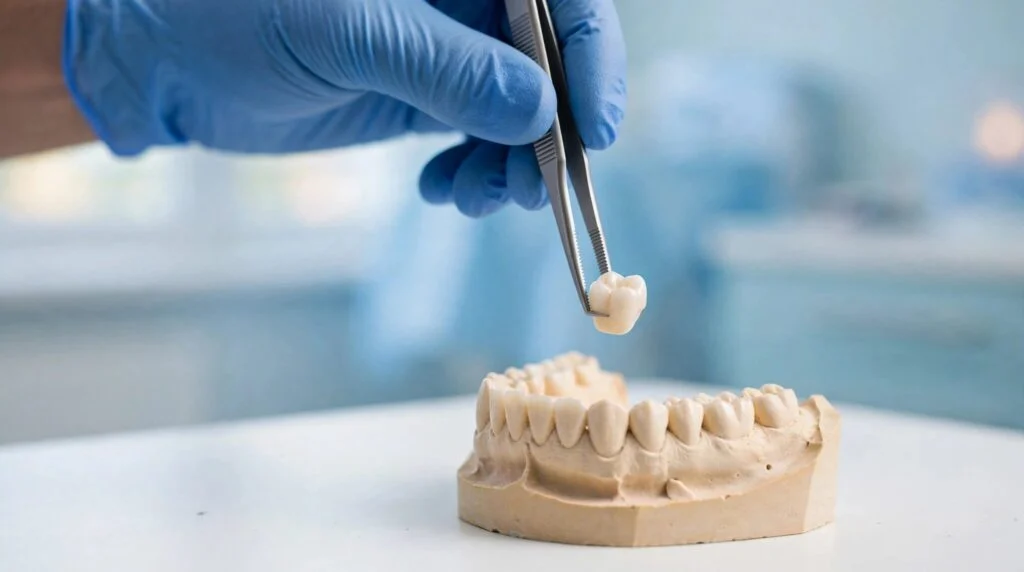
Chips, cracks and worn fillings are repaired with bonding, fillings or crowns once the grinding is controlled.
Habit and jaw care
Simple exercises, posture advice and habit awareness reduce daytime clenching and jaw pain.
Getting a night guard
Check-up
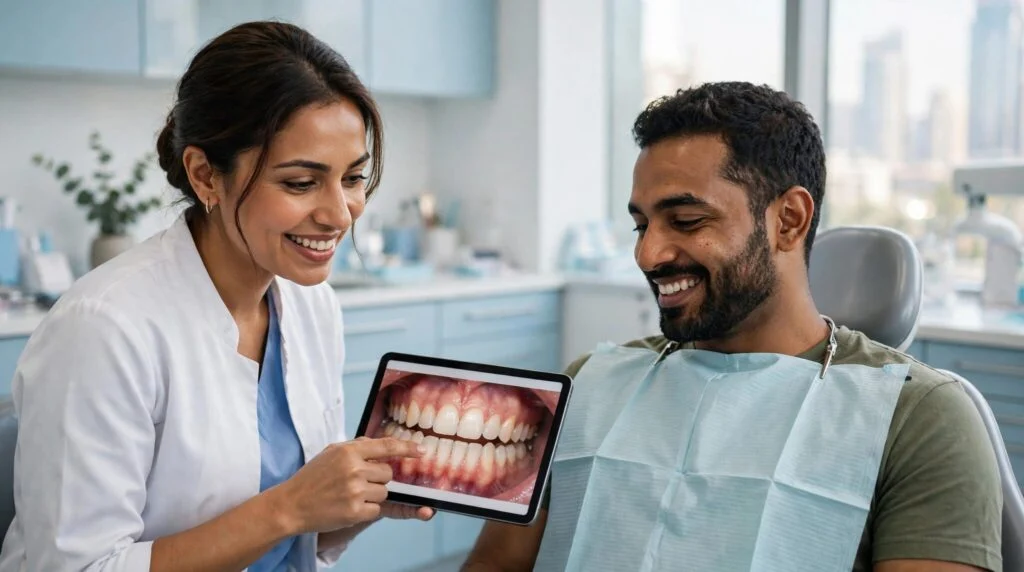
We look for wear, cracks and jaw tenderness, and ask about your sleep, stress and symptoms.
Impressions
Moulds or scans of your teeth are taken so the guard fits precisely.
Fitting
Your guard is fitted and adjusted so your bite feels even and comfortable.
Review
We check the guard and your teeth at your regular visits and replace it when it wears.
Why a custom guard rather than a shop-bought one?
Boil-and-bite guards from pharmacies and sports shops are bulky and often loose, which makes them uncomfortable to sleep in. Some people chew on them, which can make clenching worse. A custom guard is thinner, fits snugly over your teeth and is balanced so your bite is even.
Because it fits well, you’re far more likely to wear it every night, which is what protects your teeth. A well-made guard usually lasts several years with care.
Caring for your guard
- Rinse after wearing and brush gently
- Keep it in its case
- Never use hot water
- Bring it to check-ups
- Replace if it cracks or loosens
Things you can do to reduce grinding
Notice when you clench during the day and remind yourself: lips together, teeth apart, jaw relaxed. A note on your computer screen or phone reminder can help. Cut down on caffeine, especially after lunch, and avoid alcohol and smoking in the evening.
A relaxing wind-down before bed, regular exercise and good sleep habits all help. Warm compresses and gentle jaw stretches can ease sore muscles. If you snore loudly or wake unrefreshed, ask your doctor about a sleep assessment, as treating sleep apnoea can reduce grinding.
Daily habits
- Lips together, teeth apart
- Less caffeine after midday
- No chewing gum if your jaw aches
- Wind down before bed
- Warm compress on sore muscles
Teeth grinding in children
Many young children grind their teeth at night, especially when baby teeth are falling out and adult teeth are coming in. It often stops on its own and rarely causes lasting damage. Parents usually notice the noise more than the child notices any problem.
Mention it at your child’s check-up so we can look for wear or other causes such as a blocked nose or large tonsils. Night guards are rarely needed for young children because their mouths are still growing. See our children’s dentistry page.
Ask us if your child
- Complains of jaw or ear pain
- Has headaches in the morning
- Snores or breathes through the mouth
- Has visibly worn teeth
Teeth grinding: myths and facts
Myth: only stressed people grind
Fact: stress is a common trigger, but sleep, caffeine, medicines and habits also play a part.
Myth: a guard stops grinding
Fact: a guard protects your teeth and jaw. The habit may continue, but the damage stops.
Myth: worn teeth are just ageing
Fact: noticeable flattening and chipping usually points to grinding and should be checked.
Myth: I would know if I ground my teeth
Fact: most people grind in their sleep and are unaware until a partner or dentist notices.
Teeth grinding, veneers and dental work
If you have crowns, veneers, bridges or large fillings, grinding puts them under extra strain. Porcelain is strong but can chip under repeated heavy forces, and bonding can wear or break. That is why we always ask about grinding before planning cosmetic work such as a Hollywood smile.
If bruxism is likely, we design your new teeth to share the load evenly and make a night guard to wear afterwards. This simple step protects your investment and helps your dental work last much longer. The same applies after orthodontic treatment: your retainer can sometimes double as protection, and we’ll advise you on the best option.
Tell us before treatment if you
- Wake with a sore jaw
- Have chipped veneers or crowns before
- Clench when concentrating
- Have been told you grind at night
How much does teeth grinding treatment cost in Sharjah?
It depends on what you need. Many people only need a custom night guard, while others also need worn or broken teeth repaired. That is why we don’t put one number on this page that could be wrong for you. Your check-up is free and you get the full cost in writing before anything starts.
Cover for night guards varies between insurance plans, so send us your card and we will check. You can also spread the cost with Tabby, Tamara or Toothpick. Insurance and payment options.
Teeth grinding treatment near you in Sharjah
- Open Sunday to Friday 9 AM to 10 PM, Saturday 12:30 PM to 10 PM
- Free consultation and X-ray
- Written cost before treatment
- Insurance: FMC, NGI, Inayah, Aafiya, SAICO / Damana, GlobeMed and MSH, plus the Fazaa and Esaad discount cards
- Pay later with Tabby, Tamara or Toothpick
We’re on Al Khan Street, Al Majaz 3, a short drive from Al Qasba, Al Nahda, Al Taawun, Rolla, Abu Shagara and Buhairah Corniche, with parking in front.
Get directionsTeeth grinding questions
How do I know if I grind my teeth?
Will a night guard stop me grinding?
Is a night guard comfortable?
How long does a night guard last?
Can teeth grinding damage crowns or veneers?
Is teeth grinding treatment covered by insurance?
Waking with a sore jaw?
Free check-up and custom night guards. Evening appointments until 10 PM.
About this page
Written by the dental team at Al Jazeera Dental Clinic, a family clinic on Al Khan Street, Al Majaz 3, Sharjah, caring for patients since 1998, and medically reviewed by Dr Ranjeet Kumar, Medical Director (BDS, Diploma in Endodontics), November 2026 (how we write and review). Grinding is usually noticed by a partner or spotted by a dentist before the person doing it has any idea.
Related articles
Baby Tooth Decay: Causes, Early Signs and Treatment
Baby tooth decay explained for parents: why milk teeth matter, early white spots, bottle and night feeding, treatment options for children and how …
Dry Socket: Symptoms, Treatment and Prevention
Dry socket explained: what it is, how to tell it apart from normal healing, how dentists treat it, and simple steps to prevent it after a tooth ext…
After Root Canal Treatment: What Is Normal and What Is Not
What to expect after root canal treatment: normal tenderness, eating, temporary fillings, crowns, warning signs and how long healing takes. Advice …